
IMPLANT Article
Addressing Esthetic Implant Complications:A Case Reflection and Clinical Insight
Dr. Farhad Boltchi
CDOCS Faculty

IMPLANT Article
Addressing Esthetic Implant Complications:A Case Reflection and Clinical Insight
Dr. Farhad Boltchi
CDOCS Faculty

In the evolving landscape of implant dentistry, esthetic complications are becoming more common, particularly in the anterior zone where expectations are high and tolerance for imperfection is low. In my own practice, I’ve seen an increase in such cases—some referred, others from long-term follow-up of my earlier work. These experiences underscore the critical role of soft tissue management, especially during immediate implant placement.
A recent case involving a 7-year follow-up illustrates this point. The implant, placed immediately in the esthetic zone, remained osseointegrated with an intact buccal bone plate. Despite this, the patient presented with noticeable soft tissue recession around the crown. While the bone was stable, the esthetic outcome had deteriorated—reminding me that soft tissue preservation is just as important as bone preservation, if not more so, in highly visible areas.
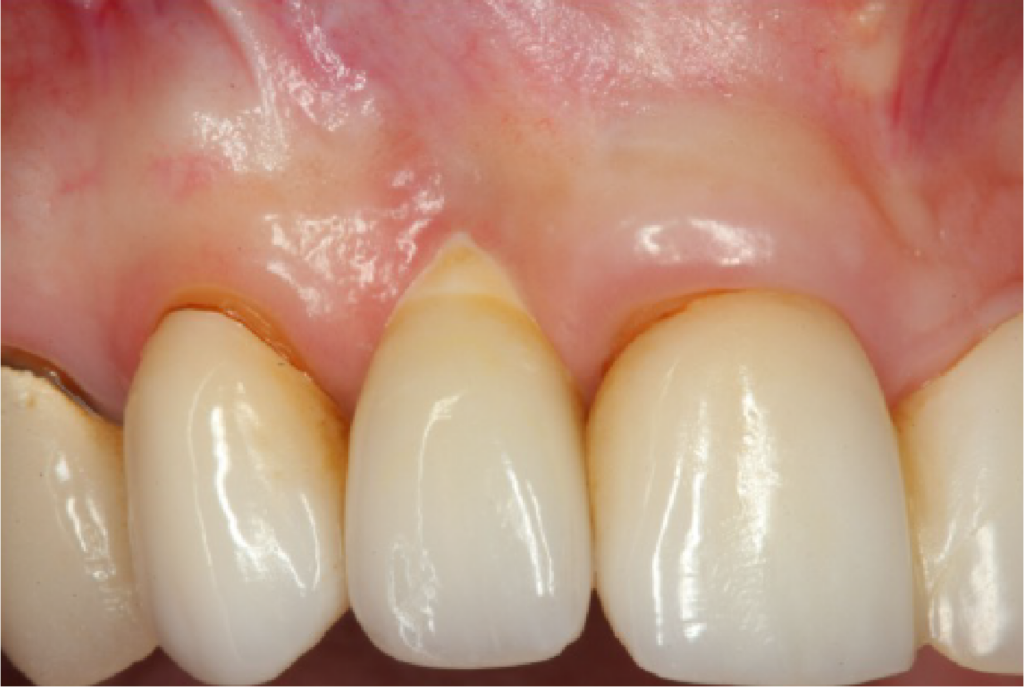
The Evolution of Immediate Implant Protocols
When this case was completed, techniques like the socket shield and connective tissue grafting were not part of standard protocol. Today, both are widely recognized for their ability to maintain soft tissue contours and reduce recession. Without them, even a well-positioned implant can lead to unsatisfactory results over time.
In immediate placement cases, especially in the esthetic zone, proactive soft tissue augmentation is now considered essential. Connective tissue grafts provide bulk and stability, while socket shield techniques help preserve the facial gingiva by maintaining part of the root structure. These tools dramatically improve long-term outcomes and should be part of every clinician’s toolkit.
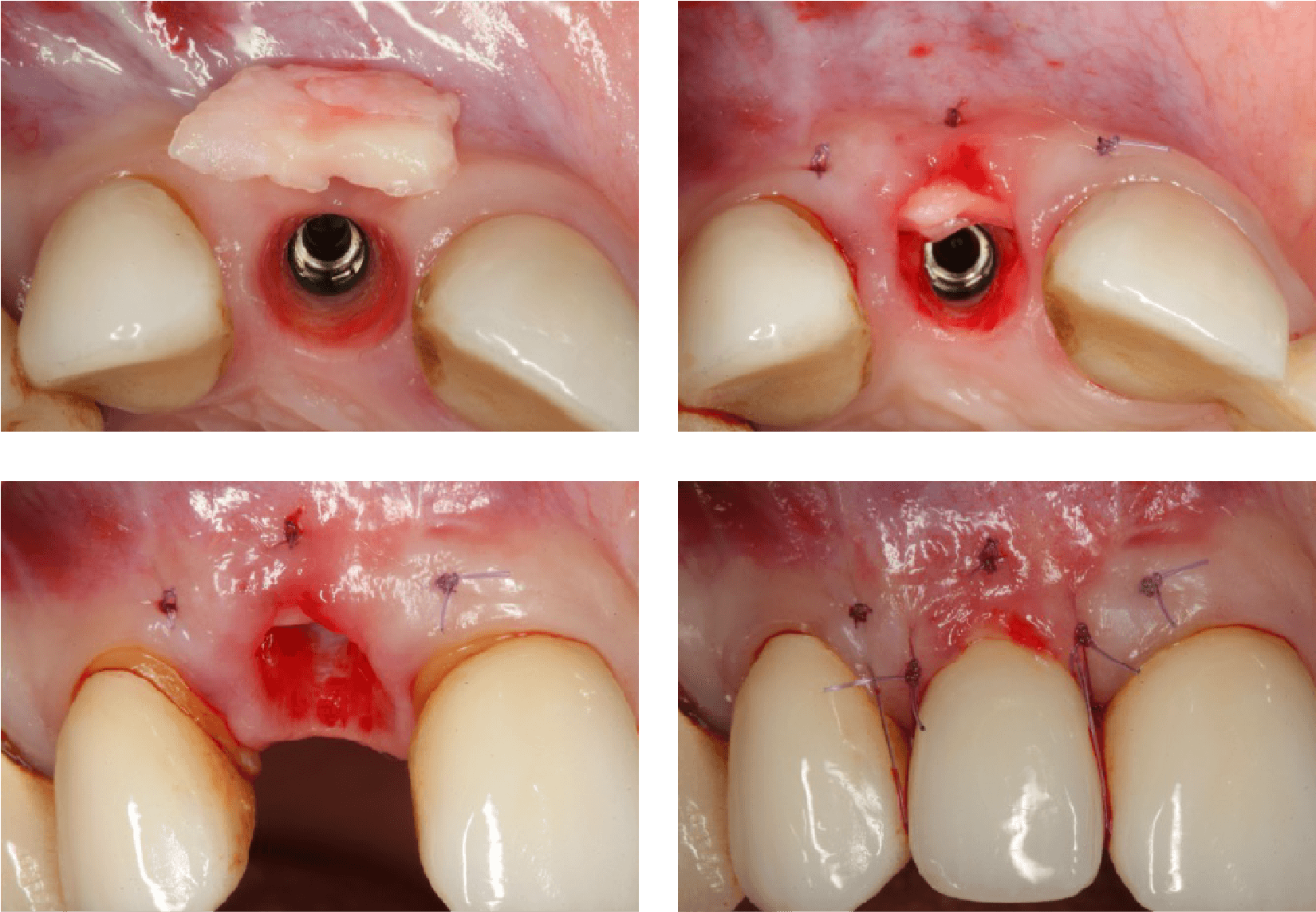
Understanding Soft Tissue Recession
One of the key takeaways from this case is that stable bone does not always equal stable soft tissue. It’s tempting to assume that if the buccal plate is preserved, the tissue will follow—but that’s not always the case. The gingival margin can still recede if the soft tissue lacks sufficient volume or is poorly supported during healing.
In the esthetic zone, even 1 mm of recession can be problematic. What may seem clinically minor can have a major esthetic impact, particularly for patients with high smile lines or thin tissue biotypes. As clinicians, it’s our responsibility to recognize these risks during treatment planning and take steps to mitigate them.
Managing Esthetic Complications
When esthetic issues arise post-placement, the treatment strategy largely depends on the implant’s 3D positioning. If the implant is correctly placed, autogenous soft tissue grafting—often using subepithelial connective tissue—can restore esthetics and improve patient satisfaction. However, if the implant is too far buccal or positioned improperly, more invasive measures such as implant removal and site redevelopment may be necessary.
Regardless of the path taken, these cases require When esthetic issues arise post-placement, the treatment strategy largely depends on the implant’s 3D positioning. If the implant is correctly placed, autogenous soft tissue grafting—often using subepithelial connective tissue—can restore esthetics and improve patient satisfaction. However, if the implant is too far buccal orpositioned improperly, more invasive measures such as implant removal and site redevelopment may be necessary.
Regardless of the path taken, these cases require surgical precision and patience, along with clear communication with the patient about what’s possible and what limitations exist.
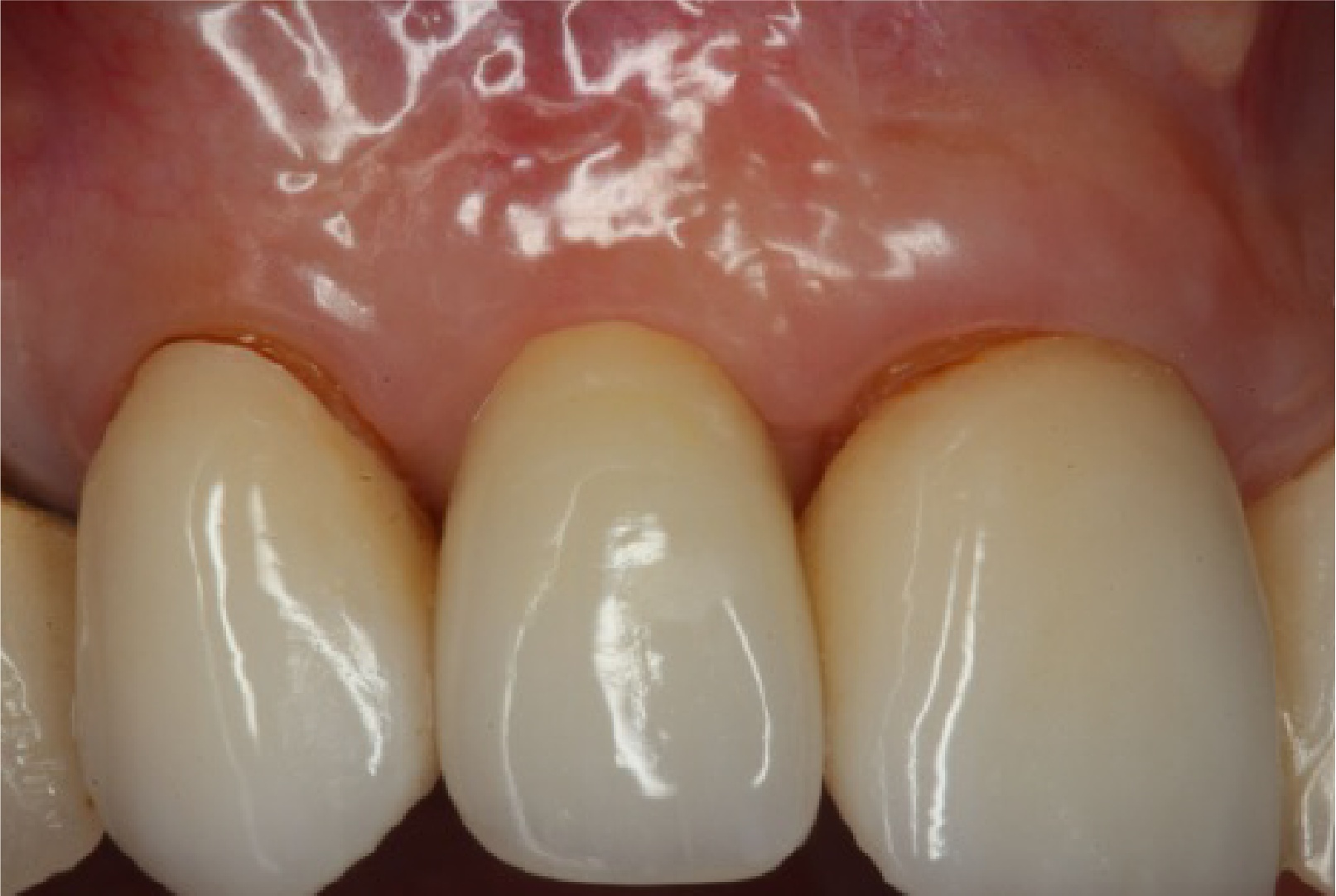
Surgical Training for Better Outcomes
To help clinicians better manage—and ideally prevent—these complications, we’re excited to launch a new Surgical Implant Complications course at CDOCS later this year. This hands-on, in-person workshop will focus on:
- Soft tissue grafting techniques
- Socket shield protocol
- Managing esthetic zone challenges
- Identifying and correcting improper implant positioning
This course is designed for restorative and surgical clinicians alike who want to deepen their skillset and increase predictability in esthetically demanding cases.

Final Thoughts
Esthetic complications aren’t always the result of poor technique—they’re often the result of evolving standards and techniques. What worked five or ten years ago may no longer be sufficient as patient expectations and clinical protocols continue to advance.
The good news is that we now have better tools, techniques, and understanding than ever before. But it’s up to us to adopt these strategies and apply them proactively.
If you’re seeing esthetic complications in your own practice—or want to strengthen your ability to prevent them—I invite you to join us at CDOCS. Our goal is to provide you with the hands-on training and clinical perspective you need to deliver outcomes your patients (and your reputation) can smile about.
Related CDOCS Hands-On Workshops
Complications in Implant Dentistry (CI180)
Prepare for the unexpected with hands-on training in diagnosing and resolving the most common surgical and prosthetic implant complications, including loose crowns, stripped screws, fractured abutments, and failed implants, to protect patients and your practice.
Achieving Predictable Results in Guided Implant Surgery (CI210)
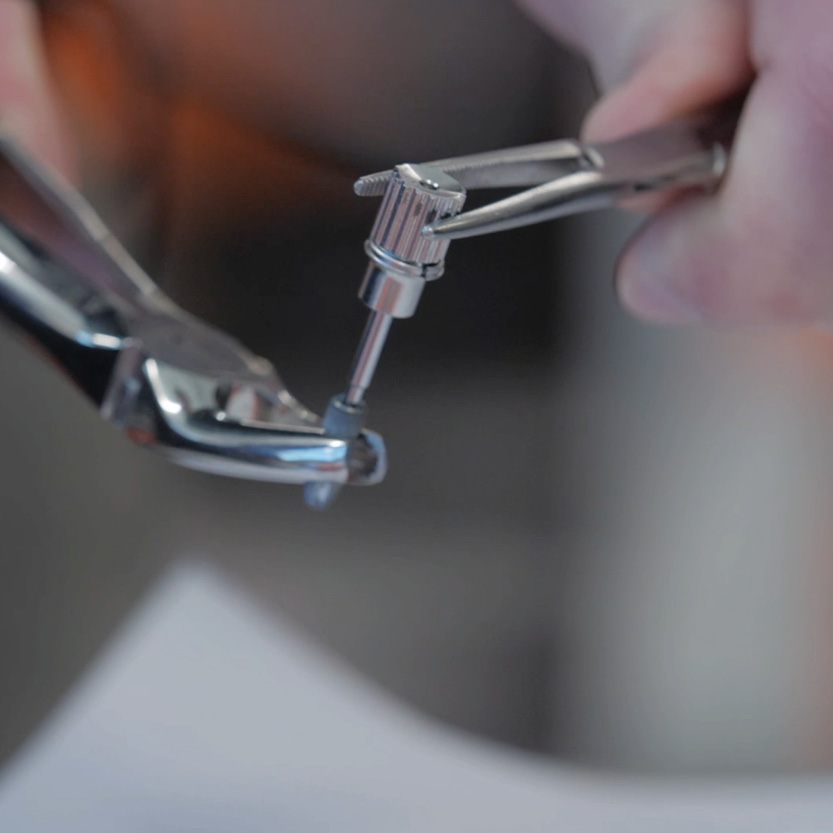
Elevate your implant skills with comprehensive training in Cone Beam CT surgical planning, intraoral scanning integration, and the full spectrum of guided surgery systems. This workshop gives clinicians at any experience level the tools to place implants with greater precision and confidence.