SLEEP THERAPY Article
Leveraging Medical Insurance Billing in Dental Sleep Medicine
Dr. Jonathan Ford
CDOCS Faculty

Treating patients with obstructive sleep apnea (OSA) using oral appliance therapy (OAT) crosses the line between dentistry and medicine. Oral Appliance Therapy is one of several medical treatment modalities that can successfully treat obstructive sleep apnea. This translates into medical carriers—not dental carriers— reimbursing for treatment. Leveraging this properly can set your practice apart while helping patients afford life-changing care.
Fee-for-Service Model: Control and Flexibility
Many dental sleep providers begin with a fee-for-service (FFS) model, collecting their full treatment fee directly from the patient. This model offers control and simplicity—no waiting for insurance approvals or delayed reimbursements. Some patients appreciate the straightforward approach, and practices benefit from immediate revenue. If you are a fee-for-service dental practice, this is a model that you can use and replicate for oral sleep appliances. However, cost can be a barrier for some patients, especially if their medical insurance could cover all or part of the therapy. This is where understanding medical billing options can dramatically improve case acceptance.
Using Gap Exceptions to Expand Access
A powerful strategy for out-of-network providers is requesting a gap exception. A gap exception allows an insurance company to cover care at the in-network rate if there are no contracted providers within a reasonable distance who can provide the service. This distance is typically a 30 miles radius from the patient’s primary residence. For dental sleep medicine, this is common. If an insurance company does not have a dentist in their network that can fabricate a mandibular advancement device, it must provide that service to the patient. By requesting a gap exception, your practice can significantly reduce the patient’s out-of-pocket responsibility while still operating under your out-of-network fee schedule.
Patients benefit by getting their treatment covered at in-network levels, and your practice benefits by expanding access without necessarily having to contract with every insurer. It’s a win-win situation that does take some extra steps. Gap exceptions are especially valuable for patients who are motivated to start treatment but hesitant due to costs.
Going In-Network: Building Long-Term Volume
When you start networking with physicians and seeing patients outside your normal “dental practice”, you will get asked the following questions by physicians. Is this covered by insurance? How much does it cost? Are you in-network with insurance?
For practices looking to scale their dental sleep medicine services, joining medical insurance networks may be a smart long-term strategy. Going in-network can reduce your per-case reimbursement compared to FFS or gap exceptions, but it can also lead to higher patient volume and more referrals from sleep physicians and primary care doctors.
Being listed as an in-network provider increases visibility and credibility, especially with physicians who want their patients to have affordable access to treatment. Additionally, patients are more likely to pursue therapy if they know their insurance will be accepted without special requests or extra steps.
Some Differences Between Medical and Dental Insurance
Third-party payers have the connotation of being difficult to work with. Dental insurance has their specific policies that most dentists are used to. Examples of this are downgrading posterior composites to amalgams or buildups being incorporated into the cost of a crown. These are just examples that most dentists know about and have come to accept. Medical insurance has similar policies when it comes to dental sleep medicine, but those policies can also be state-specific.
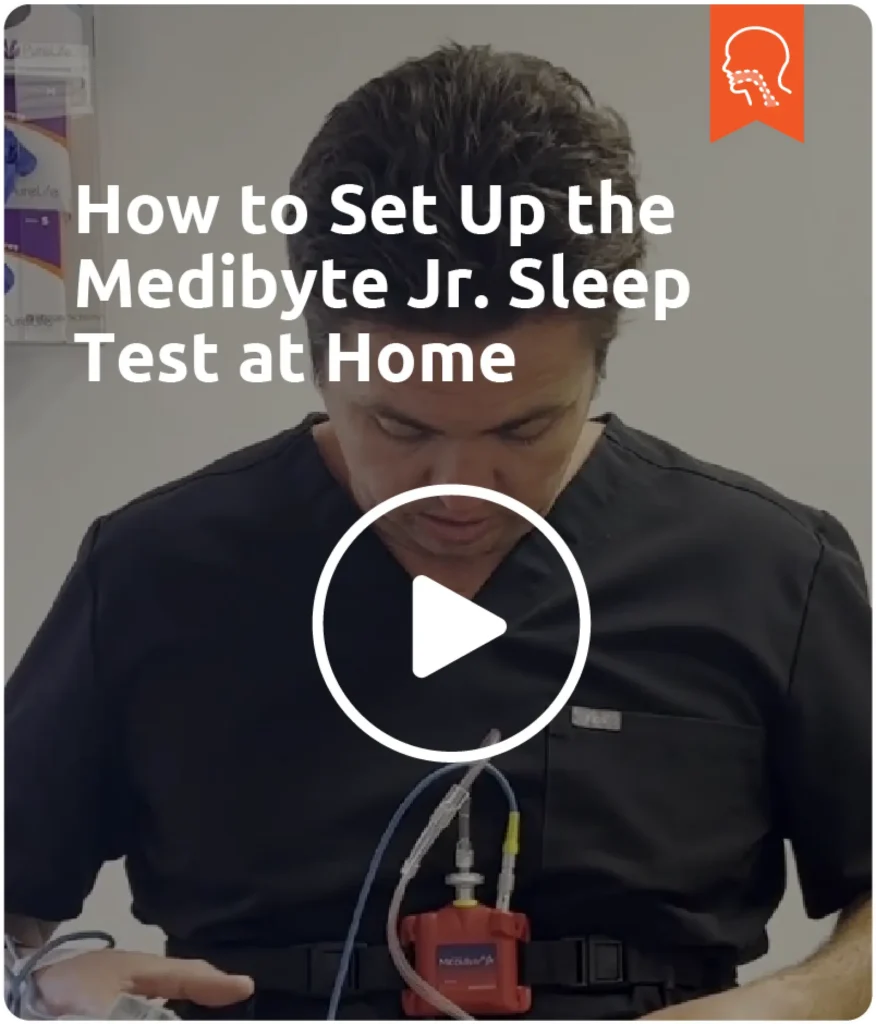
Working with a medical billing company that bills for MADs in your state can help alleviate some of the confusion. A good starting point is having the following: 1) Valid Sleep Test typically within 1 year. 2) Doing a comprehensive dental sleep medicine exam that includes assessments on the periodontal and TMJ conditions of the patient.
Additionally, the term preauthorization in the dental and medical spaces typically mean different things as well. In the dental space, preauthorizations are optional but they do give you a financial breakdown of the costs for that specific procedure. With most medical insurances, preauthorizations are not optional and they are required. If a preauthorization is not submitted, the MAD will not be a covered service. Additionally, when a preauthorization is approved with medical, it only states that the procedure is medically necessary. There isn’t a financial breakdown for the practice or patient to review.

Finding the Right Balance
There is no single right answer for every dental sleep practice—many successful providers blend all three approaches. A fee-for-service foundation provides financial stability, gap exceptions help patients access coverage without lowering your fees, and going in-network can grow long-term patient volume.
The key is to build systems around medical insurance billing that align with your practice’s goals. Whether you remain fee –for-service, strategically use gap exceptions, or fully integrate with medical networks, understanding these options ensures your patients can access the care they need—and your practice can thrive while providing it.
Related CDOCS Hands-On Workshops
Integrating Dental Sleep Medicine for Patient Care & Practice Growth (CB150)
Expand your practice into dental sleep medicine with training in obstructive sleep apnea screening, home sleep testing, oral appliance selection and fabrication, complication management, medical billing, and strategies for building lasting relationships with referring physicians.
Maximizing Diagnostic Efficiency with Cone Beam (CB210)
Enhance your ability to systematically review CBCT volumes, identify and categorize radiographic abnormalities, and effectively collaborate with maxillofacial radiologists.