
ENDODONTICS Article
Two Techniques That Changed How I Approach Every Root Canal
Dr. Louis Passauer, Jr.
CDOCS Visiting Faculty

Here’s the number that changed how I think about endodontic canal cleaning: files contact approximately two-thirds of canal walls. Even with excellent instrumentation, a meaningful portion of every canal system is never physically touched by the files.
Once that reality settles in, irrigation becomes more than a routine rinse step. It becomes the primary cleaning mechanism for everything your files don’t reach.
That was one of the first things the CDOCS endodontic workshop curriculum reframed for me, and it completely changed my approach to two specific parts of every endodontic procedure.
Why Most Dentists Underinvest in Irrigation
Instrumentation gets most of the attention in endodontic discussions. Rotary systems, file sequences, shaping protocols — these are the techniques that get analyzed, refined, and debated. Irrigation is often treated as secondary rather than an integral part of the procedure.
But canal anatomy is irregular. Fins, isthmuses, lateral canals, and complex molar configurations are not accessible to any file. These areas need to be cleaned using irrigants.
The problem with passive irrigation is that it relies on the solution sitting in the canal. In complex anatomy, passive irrigants don’t penetrate consistently. They pool where there’s space and leave irregular anatomy relatively untouched.
Sonic Activation: What It Actually Does
Sonic activation changes the irrigant from a passive bath to an actively agitated solution. Acoustic streaming drives irrigant into fins, lateral anatomy, and irregular canal spaces that files and passive placement can’t adequately address.
The clinical rationale is straightforward once you accept the two-thirds contact reality: if passive irrigation is leaving gaps in disinfection, activation is the mechanism that closes those gaps.
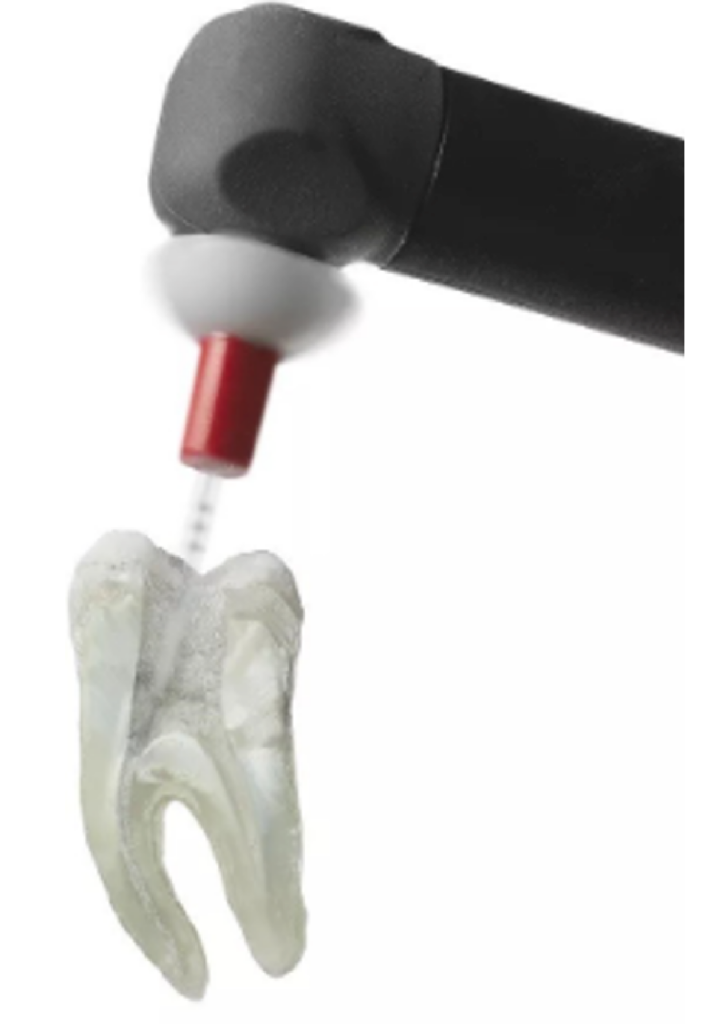
For complex molar cases, where irregular anatomy is the norm, sonic activation isn’t an add-on technique. It’s what makes disinfection predictable.
I started incorporating the EndoActivator after the curriculum, and it became one of the most consistent workflow improvements across my endo cases. The result is a more thorough cleaning process and meaningful confidence going into obturation. Not because I’m doing something dramatically different, but because I understand what’s actually happening at each step.
A Simpler Improvement: Canal Drying
The second technique is less dramatic clinically, but it immediately changed how I manage the end of every procedure.
Canal drying before obturation is one of those steps that can quietly consume time and paper points. Repeatedly inserting points and pulling back damp tips is a familiar source of friction for most dentists who do endo regularly.
One adjustment: after placing paper points into all canals simultaneously, lightly air-dry directly over the points for approximately five to ten seconds. The airflow wicks moisture coronally and significantly accelerates the drying process.
Fewer paper points. Faster drying. Better procedural flow.
It sounds like a minor change. But in endodontics, stress builds where small inefficiencies compound. Improving the drying step removes one of the more tedious sources of friction from the back end of every case — and that matters when you’re trying to make a procedure sustainable in general practice.
What Actually Brought Endodontic Treatment Back Into My Practice
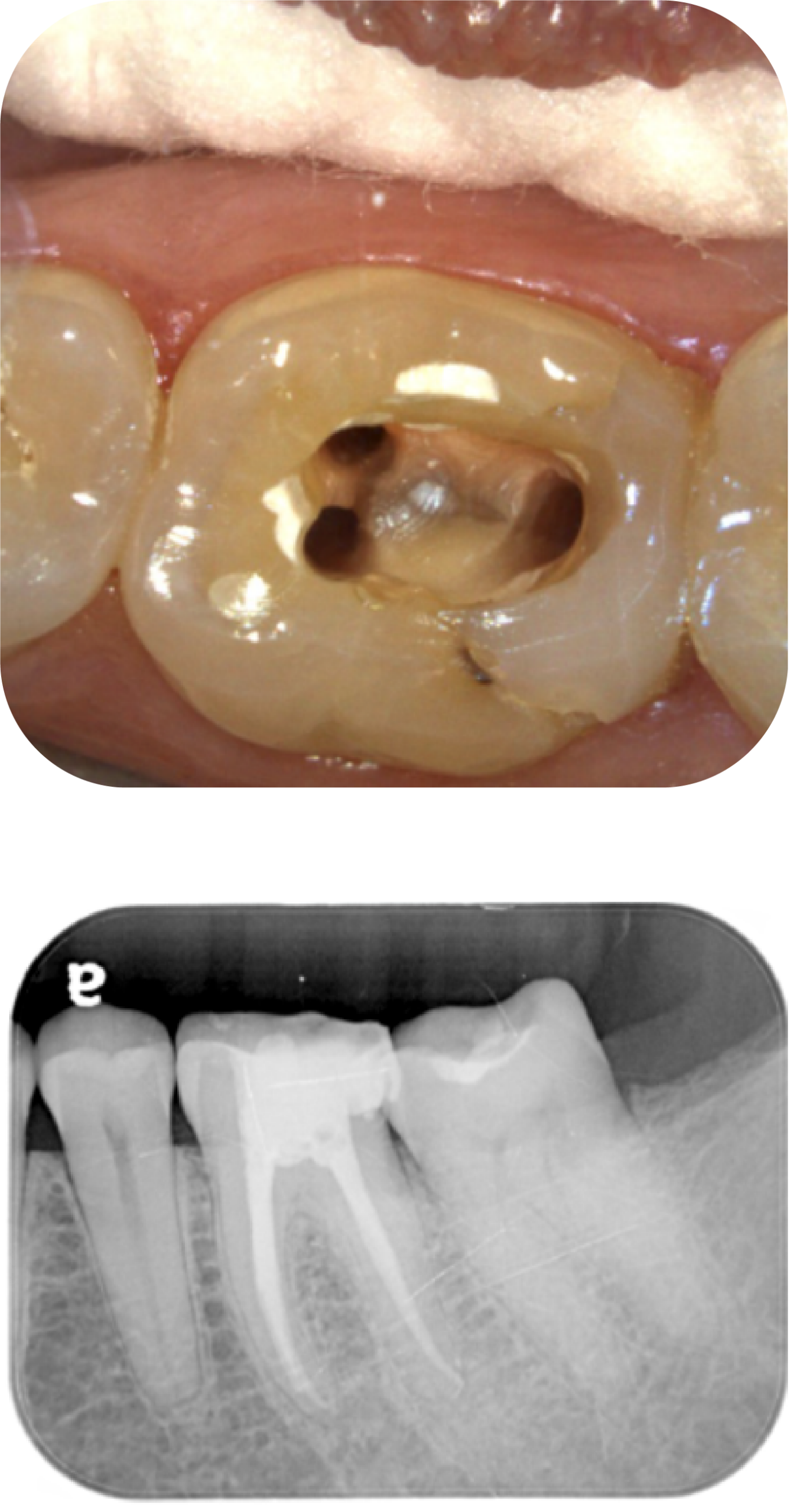
For context: in the two years before I incorporated CBCT and completed the CDOCS endodontic workshop curriculum, I performed 20 root canals. In the two years following, I performed 134.
That shift wasn’t about adding volume. It was about having a clearer picture of the anatomy through CBCT before I started and then understanding what needs to happen during the procedure to produce a predictable result.
The curriculum reinforces something that’s easy to miss when you learn endodontics in pieces: shaping is preparation. Cleaning is the outcome you’re actually after. When irrigation protocols are deliberate, activation is part of the workflow, and your drying process is efficient, the procedure becomes less stressful and more repeatable.
Those qualities are what make a procedure worth keeping in general practice. If endodontics has been drifting toward the referral pad, the question worth asking isn’t whether you’re capable. It’s whether your workflow is organized enough to make it worth keeping. If you want to work through these techniques hands-on, CDOCS endodontic workshops are a good place to start.


Conclusion
If endodontics has been drifting toward the referral pad, the question worth asking isn’t whether you’re capable. It’s whether your workflow is organized enough to make it worth keeping.
If you want to work through these techniques hands-on, CDOCS endodontic workshops are a good place to start.
Related CDOCS Hands-On Workshops
The General Dentist’s Playbook for Predictable Endodontic Therapy (CE110)
Build a complete, step-by-step endodontic skill set with hands-on training in case diagnosis, anesthesia, access cavities, glide path creation, canal shaping, irrigation, obturation, and coronal restoration.
Treating Complex Endodontic Cases with Confidence (CE210)
Advanced hands-on training in CBCT application, complex access cavities, challenging anatomy, reciprocation and rotary techniques, multiple obturation methods, and error recognition — tackling the cases most general dentists find hardest to treat.