SLEEP THERAPY Article
A Unique Crossroads: A Dentist’s Role in Screening and Treating Obstructive Sleep Apnea
Dr. Jonathan Ford
CDOCS Faculty

SLEEP THERAPY Article
A Unique Crossroads: A Dentist’s Role in Screening and Treating Obstructive Sleep Apnea
Dr. Jonathan Ford
CDOCS Faculty
Approximately 33% of the American public has obstructive sleep apnea (OSA ). Only 3.3% of the current American population has been diagnosed with it. Even fewer patients are being successfully treated for it. Traditional CPAP treatment for OSA is lacking. For a multitude of reasons, dentists are becoming an integral part of the interdisciplinary medical approach to treating OSA.
Let’s first start with the screening and diagnosing patients for OSA. It’s my belief that dentists and their team members are the best medical professionals to screen for OSA. Dentists see patients multiple times each year. They are constantly reviewing the patient’s medical history and health conditions. They physically evaluate their patient’s oral health at each of those visits. The tongue, the soft palate and the teeth tell a story and can give insights into whether this patient has OSA, often before their health histories do. Examples are scalloped tongues, Mallampati scores, narrow maxillary arches and acid wear on teeth. Each of these are risk factors for OSA. These findings should be discussed with the patients and the appropriate treatment or referral should be given so these patients can be sleep tested and if diagnosed with OSA, be treated.
In the field of dentistry, all dentists evaluating patients from a sleep or airway perspective can agree on the following: Every patient needs to be screened and evaluated for potential sleep and airway conditions. The divide occurs over how to actually treat the patient. There are some dentists that have their own proprietary devices that they want to use for treatment. There are some dentists who want to treat it purely using orthodontics. There are groups of dentists that want to treat it surgically. There are groups that want to treat OSA prosthodontically. There are groups that want to use all three modalities in combination to treat it–orthodontically, surgically, prosthetically. If a patient is willing to accept those recommendations and treatment, then I wholeheartedly support it. There are pros and cons to these treatments. The pros are not needing to rely on a CPAP or mandibular advancement device (MAD) while the patients sleep for the rest of their lives. The cons are the cost and time. The treatment modalities listed above typically take 12 to 18 to 24 months to complete with costs running in the 10s of thousands of dollars for treatment.
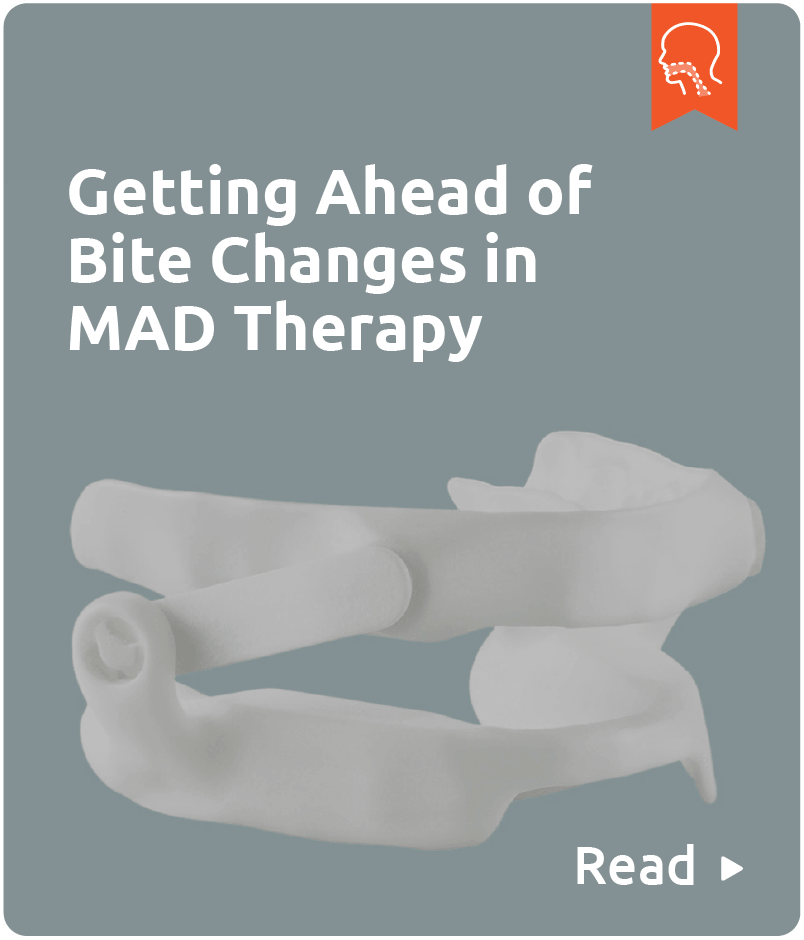
In the Integrating Dental Sleep Medicine class at CDOCS, there is another approach taken to treating OSA patients. This class teaches and focuses heavily on using MADs (Mandibular Advancement Device) as the treatment modality. Again, there are pro and cons to this treatment option. The pros are 1) Treatment can begin quickly. It typically takes 2 weeks for a MAD to be delivered after taking the appropriate records. 2) Cost to the patients are manageable. Fee for service pricing typically run in the $2,000-4,000 range. Medical insurance can be leveraged as well and third-party payers will cover MAD therapy since it treats a medical condition, helping the patient’s pocketbook even more. Now the cons to this treatment. Can MAD’s alter the patient’s occlusion? The answer is possibly. Can dentists offer treatments to limit or eliminate those occlusal changes? Absolutely. If those occlusal changes occur, can the dentist pivot and offer the other treatment modalities? Yes.
All medical treatments come with side effects. Just listen to any pharmaceutical commercial when they list all the potential side effects–typically in a fast voice. Sleep apnea patients aren’t breathing well. A consistent and constant lack of oxygen every night is a side effect of no treatment at all for OSA patients. That trumps any potential side effect of treatment, since everyone needs oxygen every minute to survive. Each of the treatments discussed above have side effects, but those side effects are not as severe as oxygen deprivation night after night as the patient sleeps. The goal of all these treatments is to open the airway. Once the airway opens, the patients can breathe. The patient can sleep and receive the health benefits of deep, restful sleep.


Conclusion
Ultimately, the goal of any treatment for OSA is to help make the patient healthy. As dental professionals, we stand at an important crossroads in treating OSA patients. Ultimately, we need to offer our patients all possible treatment modalities and aid them in choosing the treatment that’s right for them.
Related CDOCS Hands-On Workshops
Implementing Cone Beam for Practical Utilization (CB110)
Get comfortable with cone beam technology through hands-on training in CBCT hardware operation, full volume review, and Sidexis and Sicat software suites, including introductions to CAD/CAM integration, airway analysis, and implant and endodontic applications to unlock your system’s full potential.
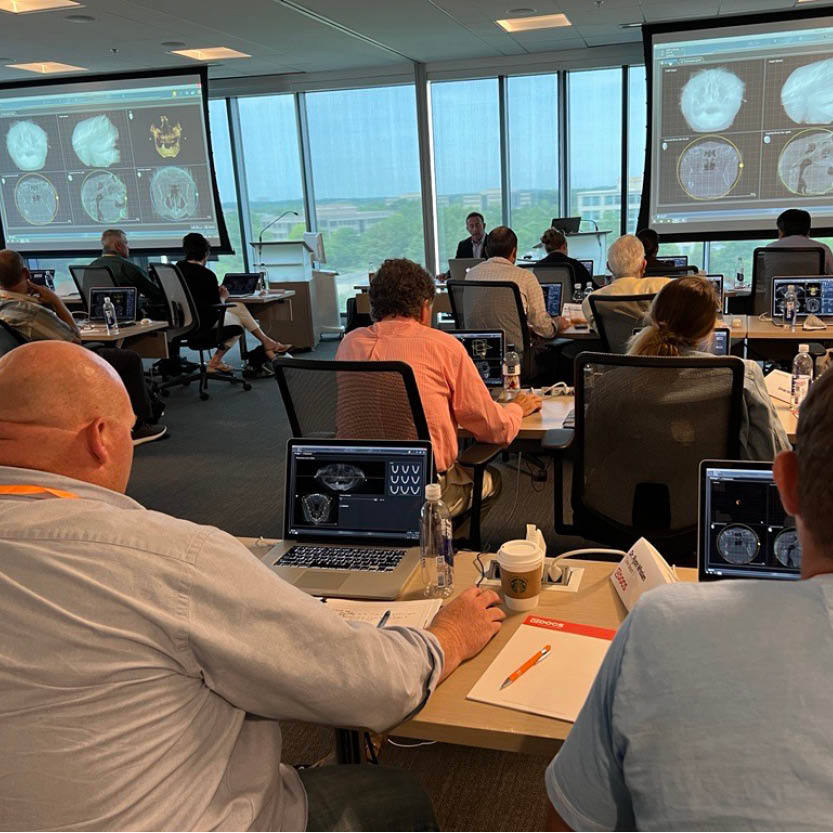
Integrating Dental Sleep Medicine for Patient Care & Practice Growth (CB150)
Expand your practice into dental sleep medicine with training in obstructive sleep apnea screening, home sleep testing, oral appliance selection and fabrication, complication management, medical billing, and strategies for building lasting relationships with referring physicians.